
How to store water correctly

Previously, we addressed why rotating your water storage was so important. However, we had a lot of questions from people asking how to set up water storage. Here are a few tips to consider:
Type of container
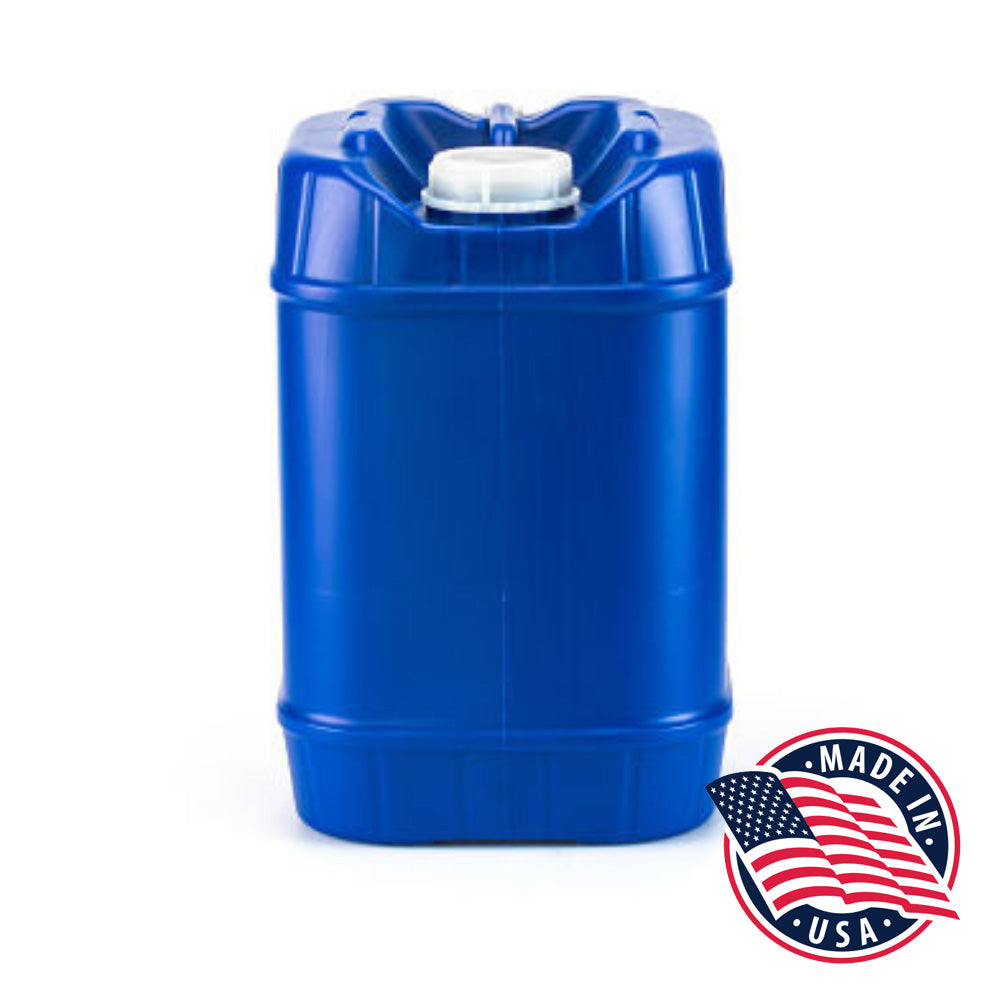
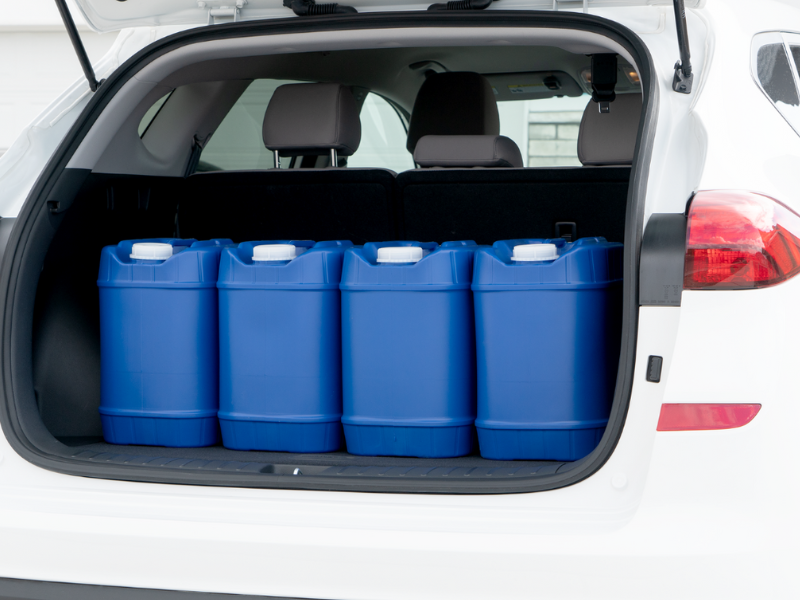
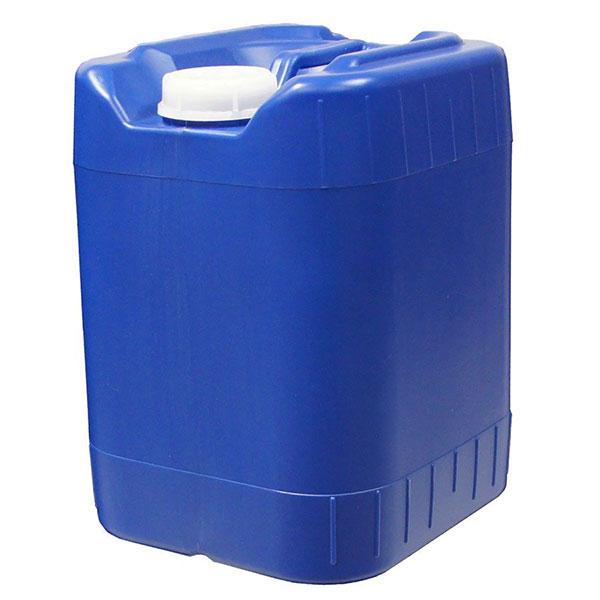
Size. Make sure that the container is big enough for your needs. It’s recommended that you have 14 gallons per person in your family.
UV coated. You want to make sure that light isn’t getting in to your water. This can increase the possibility of contaminant growth inside the container or barrel. You want to make sure that it’s dark inside that tank!
Material. Besides making sure that you have a UV coating on the barrel, you’ll want to make sure that it’s BPA free. With some containers, BPA can seep into the water and create some problems.
Quality. You’ll also want to make sure that each of the containers is durable and won’t warp, crack or split easily.
Preparing the container
When you first purchase the tank or container, it might come with preparation directions. To ensure that the inside is clean, you can use a mild dish soap and clean water to wash out the inside walls, base and lid of the container.
We recommend using a Water Preserver to keep your water safe for 5 years. If you don’t use a water preserver, you’ll have to rotate your water storage every 6 – 12 months.
Installing the container
Place the tank or container in it’s final resting place.
You’ll want to place a wood board or block between the barrel and the cement. If you don’t, toxins from the cement can seep into your water supply. Don’t store water barrels directly on cement!
Fill the container half way. After you fill it half way you can check the seams the valves on your container, if you have them. (This is when you add the preserver.) Once the seals are checked, fill the rest of the container.
If you’re container is larger, you may want to strap the barrel or tank to the wall. This will prevent it from falling in an earthquake. I’ve seen many photos out there of people who staking their water barrels on home-made shelves and if you do this, you need to make sure that they are strapped down securely in case of an earthquake.
If you’d like to see a video demonstration, here ya go!


Ready
Main Entrees
Outdoor Preparedness Sale


Just a brief POST on what I have been doing to store water for 20+ years, not to cut out anyone selling dedicated water storage containers: My wife uses unscented bleach in her weekly washing. As she empties the plastic bleach bottles, I fill them without washing them out and store them. They are stored in a dark and dry place, they freeze often. None have broken or split, the plastic is still supple. There is no growth or smell in the containers, I have drank water that is 20+ years old. Shake to aerate and it’s good. I have not had any samples tested, don’t really see any need, Just a thought and a possible solution for those on a tight budget.
March 10th, 2012 at 7:04 amI would not rinse out the tank with a lead contaminated Chinese made garden hose. Use an RV type fresh water hose that is lead free and made for potable water.
March 10th, 2012 at 7:42 amStoring water in bleach bottles can be dangerous if done improperly. FEMA recommends that you “use regular household bleach that contains 5.25% sodium hypochlorite. Do not use scented bleaches, color safe bleaches or bleaches with added cleaners.” Household bleach that is older than six months old, it might lose it’s potency. Be really careful when you use household bleach as a purifier, it can be very poisonous and adding too much can be deadly. If you want to use bleach, we recommend adding it before consumption instead of before storing.
March 10th, 2012 at 9:48 pmWhen I worked as a nurse for ventilator tracheotomy patients, I went to a respiratory seminar. I found out there that even sterile water will start to grow small amounts of bacteria and such within twelve hours after the sterile water bottle is opened and outside air gets inside the bottle. That is even if it is quickly recapped. They found that the bacteria level is about the same as in normal tap water in areas that have treated tap water from their city or community. So, even if you store your water safely in whatever form, I’d say boil it or use water purification tablets per the instructions that come with them, or still put the safely stored water through a purification filter right before using whatever amount you need. I wouldn’t process too much water than you can consume from your stored supplies though, or you’ll just end up having to retreat it, to be safe. That’s my opinion though.
March 12th, 2012 at 2:04 pmI just bought a 30 gallon water storage container and was wondering if I can store it outside underground. More specifically, if i dig a hole that will fit the container, fill it and then bury it again, will the water inside last just as long as it would inside my garage?
August 3rd, 2012 at 4:54 pmHey Eric,
August 3rd, 2012 at 12:17 pmYes, the water should store the same. Our water containers are high-grade plastic so you won’t have to worry about seeping chemicals into your water supply. Burying them might also shelter your water from bacterial or algae growth due to the lack of sunlight underground.
I purchased two 60 gallon blue plastic drums from a cullenary school for 20 dollars each. Swiming pool supplies have them to.I put 1 cup of bleach from a comerical dish washer company that has 20% sodium hypoclorite solution. This will allow the safe storage of water for quite a long time. I then purchaced a perfect water filter from a company called cheaper than dirt. They take 2, 6 gallon pails and put the filter between the two and pour water in the top pail which then filters 99.9% of chemicals including bacteria out through the filters. You then end up with 14 gallons of as pure a water as you get from the tap per day. The difference is you can use any source of water short of atomic wastewater to supply your water. I have sent samples to water testing companies( one down the street from me) and they have given me the ok on very good water that actually came from the two barrels that had stored water for 8 months. The filter also filters out lead.
August 6th, 2012 at 2:44 pmHello, I live in Northern Nevada (Sparks) and in the winter it can get down to freezing. What are suggestions for eliminating the possibility of freezing if the container is stored in my garage? The concern is that the tank could rupture; disabling the tank and creating a cleanup problem. Thanks for getting back to me. FRank S.
November 5th, 2012 at 9:01 pmI live in Fernley and we have used heat tape before to keep water troughs from freezing in winter. I don’t think it would cause any issues with plastic barrels since it doesn’t get hot, just warm enough to prevent freezing.
November 7th, 2012 at 10:19 amI purchased a 650 gallon water tank several years ago. The tank is a heavy black tank made for water storage and is not in direct sunlight. I have treated it with bleach several times over several years but I have not kept it maintained religiously. Do I need to replace the water?
November 10th, 2012 at 10:35 pmIt is “emergency” water and when and if ever needed I would boil before consumption. Advice please.
Regarding what Lauralee said about treating your water right before using…..my friend created the smallest pressurized DC (battery) powered Ozone generator and had a batch manufactured in durable otter boxes. Ozone is 20 times more powerful than chlorine to kill bacteria in water….with our unit you can purify water a glass at a tome before using in about 2 minutes….great for camping….easier to store than bleach and reuseable….check out. Acmezombiesupplies.com
November 16th, 2012 at 5:00 amThis might be a stupid question, but.. here it goes anyways.
Tiled pantry floor counts as being the same as concrete floor? Therefore I should not my water bricks on tile? The large container in the garage be on wood board, so no problems there.
December 20th, 2012 at 11:08 am@JC That’s a good question! I’m pretty sure you’d be fine placing them on tiles.
December 20th, 2012 at 12:17 pmLiving in florida, my garage gets very hot in the summer. Can I still store treated water there?? any special considerations?? thanks
February 21st, 2013 at 3:24 pm